Heritage

One of Britain's Last Great Textile Mills

Standing proudly on Park Lane for more than a century, Leigh Spinners Mill remains one of the town’s most recognisable landmarks.

Built between 1913 and 1925, the Grade II* listed complex was one of the last great textile mills constructed in Britain.

For more than 100 years, it has served the people of Leigh. First as a centre of industry and employment. Today, it is home to businesses, culture, heritage and community activity.

A Landmark of Industrial Leigh

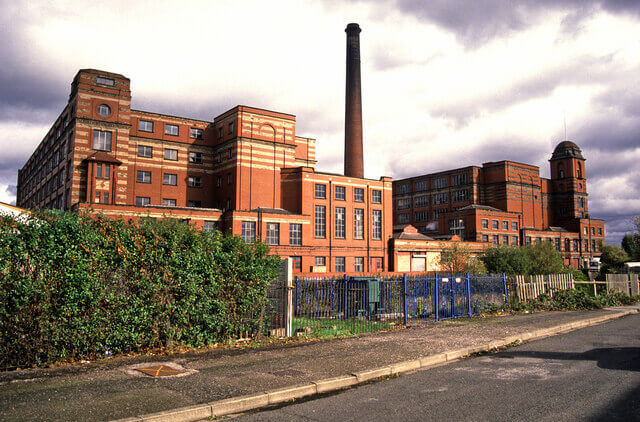
Leigh Spinners Mill was built during the final years of Lancashire’s cotton boom and remains one of the most complete surviving mill complexes in Greater Manchester.

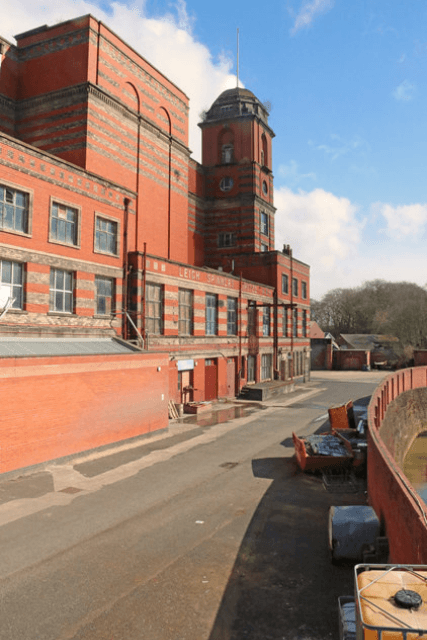
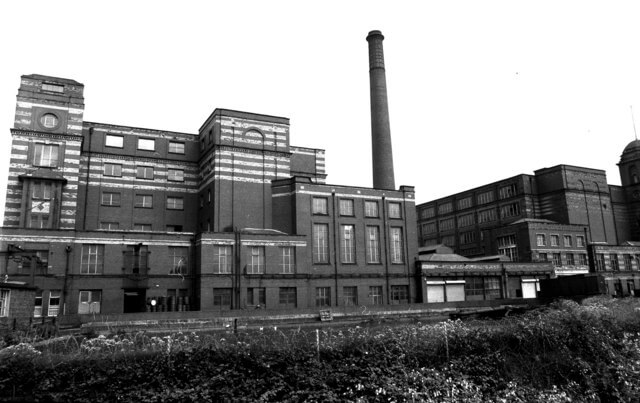
Constructed in two phases, it is almost unique as an intact double mill, retaining its engine houses, mill lodge and iconic chimney. Together, these features tell the story of the vast mills that once powered Lancashire’s cotton industry.

By Leigh Spinners Mills, Leigh by Chris Allen, CC BY-SA 2.0, https://commons.wikimedia.org/w/index.php?curid=155230789

Architecture & Design

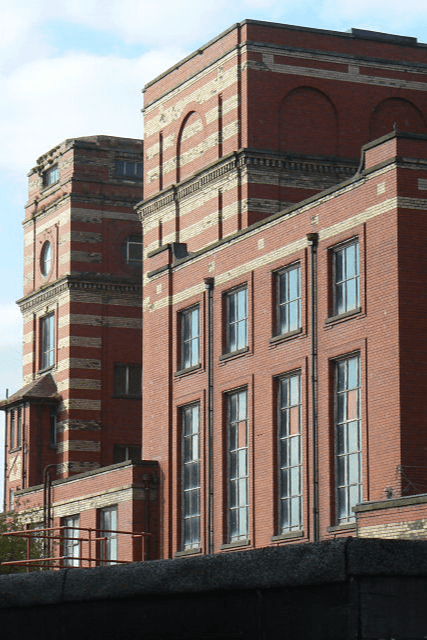
Designed by Bolton architects Bradshaw Gass & Hope, Leigh Spinners Mill combines industrial function with impressive architectural design.

Built in the Italianate style, its distinctive towers, scale and detailing remain key features of the mill today.

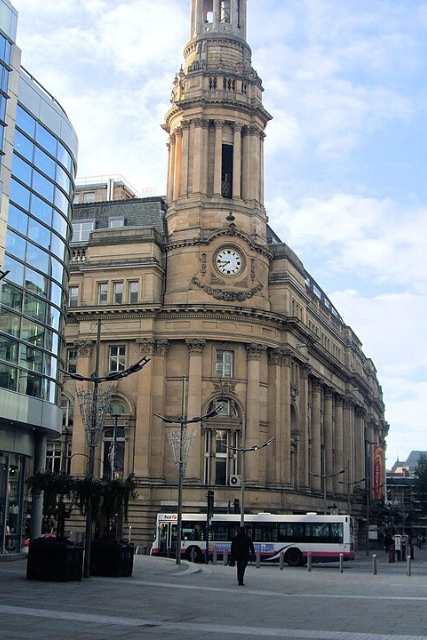
Bradshaw Gass & Hope became known for designing some of the North West’s most notable civic and commercial buildings, including Manchester’s Royal Exchange.

Their influence can still be seen throughout Leigh Spinners Mill. The building stands as a reminder of the important role the cotton industry once played in shaping Leigh.

Exterior view of Manchester Royal Exchange, designed by Bradshaw Gass & Hope, showing the landmark clock tower, classical columns and historic city centre architecture
By Royal Exchange Theatre, Manchester by Paul Gillett, CC BY-SA 2.0, https://commons.wikimedia.org/w/index.php?curid=115014864
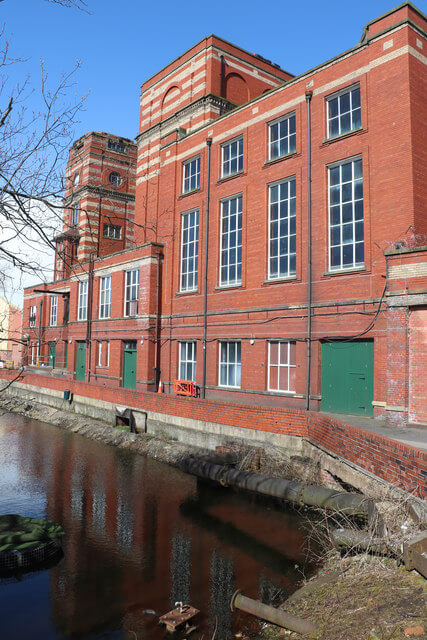
Historic view of Leigh Spinners Mill No. 2, featuring red brick mill buildings, tall windows and reflections in the mill lodge water.
By Leigh Spinners No. 2 Mill by Chris Allen, CC BY-SA 2.0, https://commons.wikimedia.org/w/index.php?curid=140581337
Leigh Spinners Mill By Alan Murray-Rust, CC BY-SA 2.0, https://commons.wikimedia.org/w/index.php?curid=14250758
By Leigh Spinners limited - No. 1 Mill by Chris Allen, CC BY-SA 2.0, https://commons.wikimedia.org/w/index.php?curid=141435555

The Founders

Leigh Spinners Mill was founded by local businessmen John Horrocks and Edward Crowther. Their ambition helped create one of the largest cotton spinning mills built in Britain.

The idea for the mill began in 1908 when Horrocks and Crowther set out to establish their own cotton mill. Unable to find a suitable building, they instead commissioned the construction of what would become Leigh Spinners Mill.

The Horrocks family had strong ties to Leigh and played an active role in local civic life. John Horrocks followed both his father and grandfather into public service and served as Mayor of Leigh in 1924.

Their vision helped create a mill that would employ hundreds of local people and remain a prominent feature of the town more than a century later.

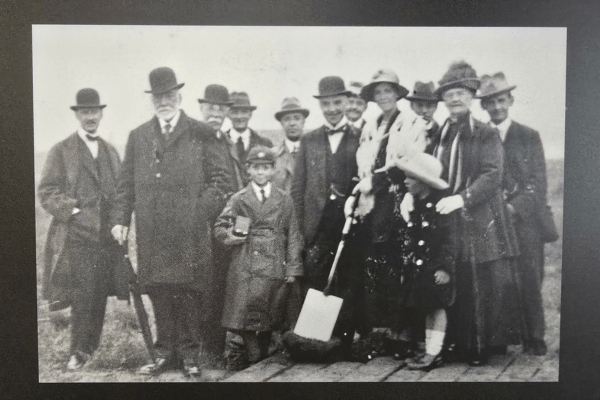
Historic black and white group photograph of John Horrocks, his family and business associates at the time Leigh Spinners Mill was being developed.
John Horrocks, family members and colleagues during the early development of Leigh Spinners Mill.

Life at the Mill

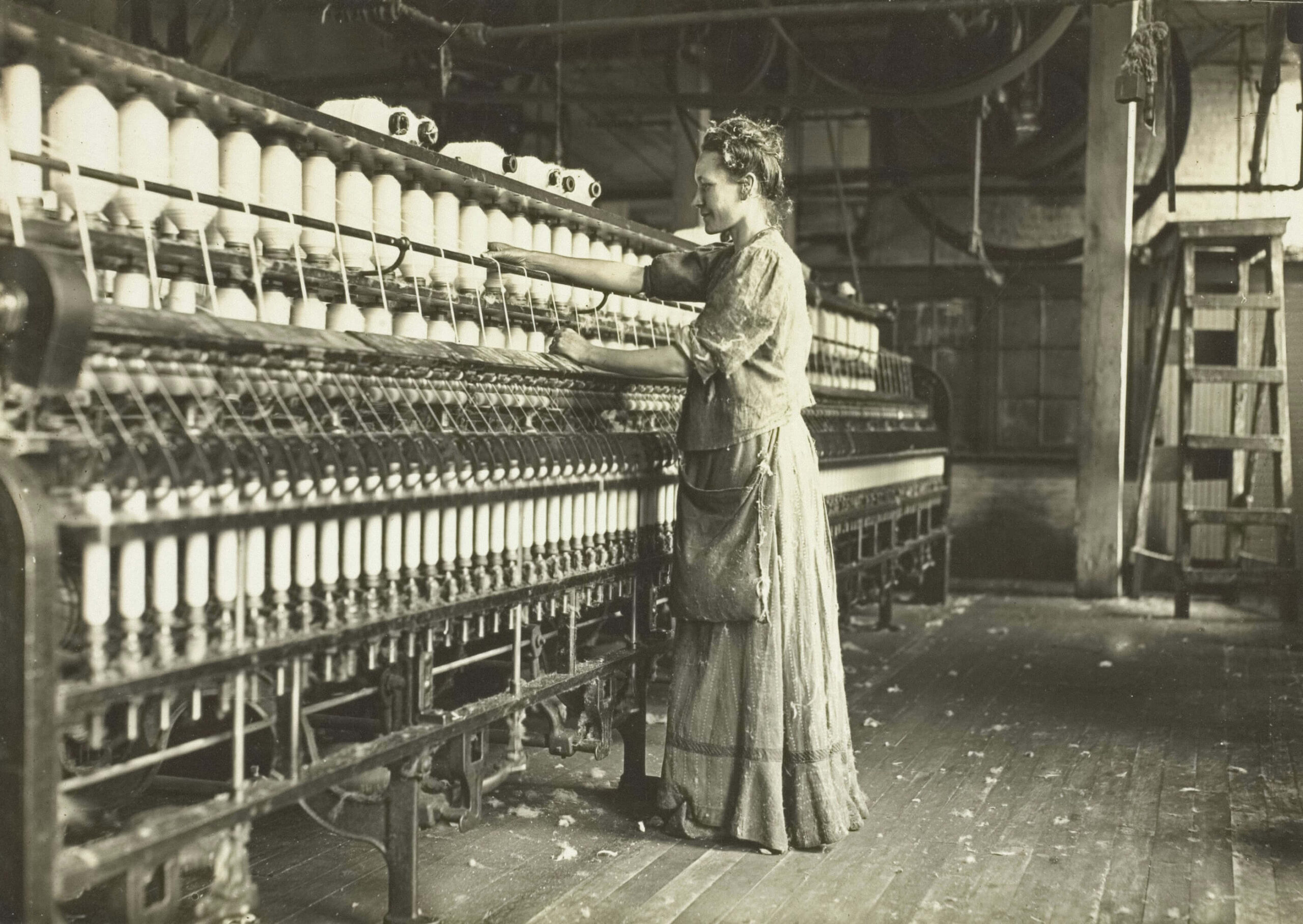
At its peak, Leigh Spinners Mill employed nearly 800 people. For many local families, the mill was part of everyday life, providing stable employment and helping to support the wider community. 

Workers had access to facilities that were uncommon at the time, including a canteen, showers and playing fields. The mill was more than a place of work. For many local families, it was a place where generations earned a living, built friendships and became part of Leigh’s industrial story 

A textile worker operating spinning machinery in the early twentieth century.

Mayor & Mayoress

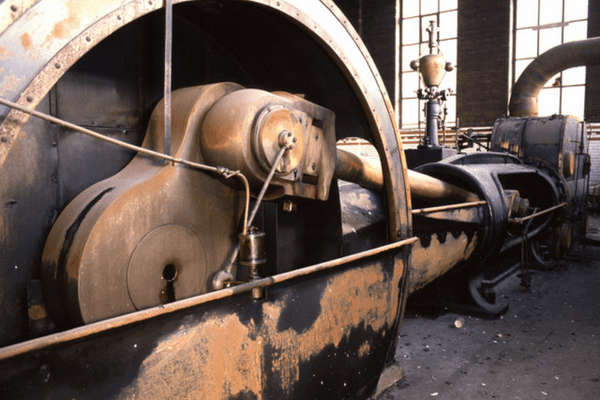
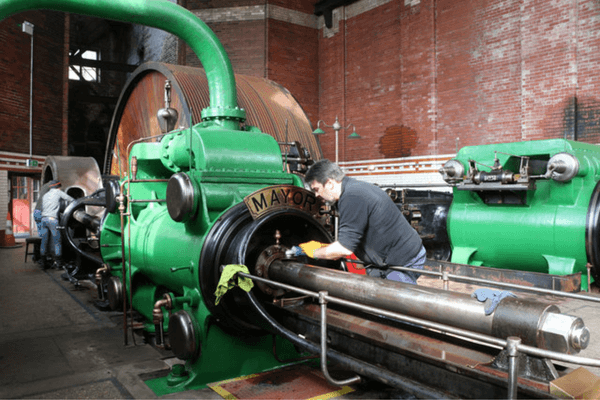
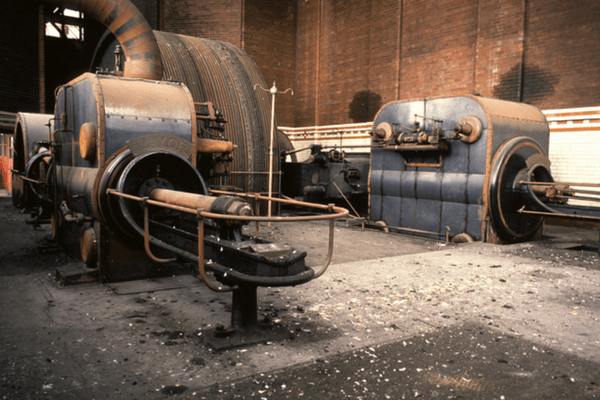
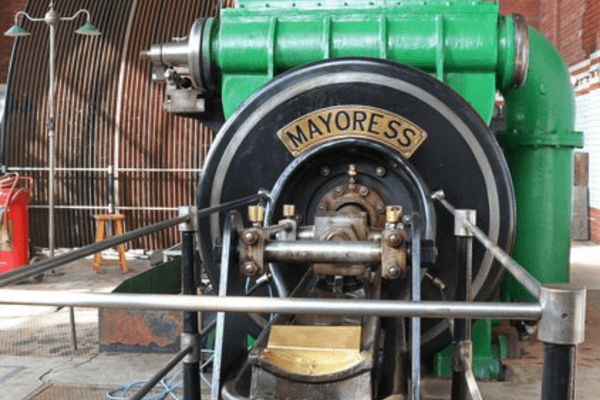
At the heart of Leigh Spinners Mill is Mayor & Mayoress, a 1,800 horsepower Yates & Thom cross compound steam engine built in 1923. It powered the machinery that kept the mill operating and remains one of the largest surviving mill engines of its type in the United Kingdom. 

Today, the engine remains a key part of the mill’s heritage, helping to tell the story of the people, industry and engineering that shaped the site. 

Mayor & Mayoress steam engine at Leigh Spinners Mill before restoration, showing the large flywheel and original industrial machinery within the engine house.
By Chris Allen, CC BY-SA 2.0, https://commons.wikimedia.org/w/index.php?curid=13406260
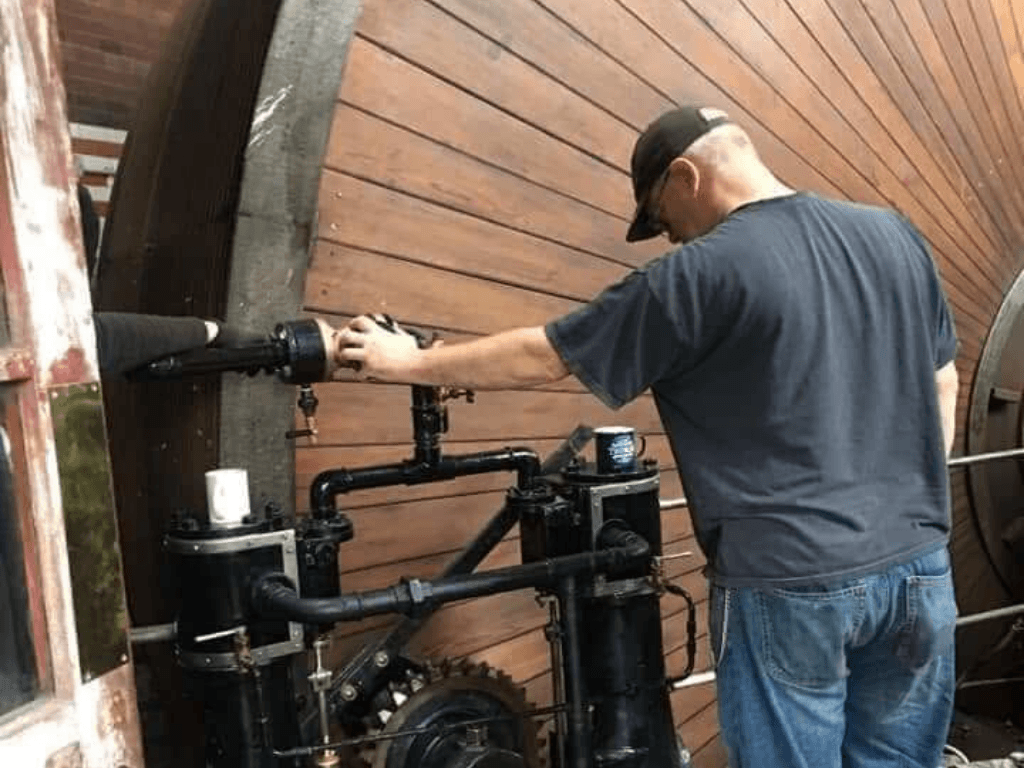
Volunteers working on the restored Mayor & Mayoress steam engine at Leigh Spinners Mill, highlighting the preservation of the 1,800 horsepower engine.
By Leigh Spinners no. 2 Mill - restoration in progress by Chris Allen, CC BY-SA 2.0, https://commons.wikimedia.org/w/index.php?curid=150521205
Mayor & Mayoress steam engine at Leigh Spinners Mill before restoration, showing the twin engine units, flywheel and machinery inside the original engine house.
By Chris Allen, CC BY-SA 2.0, https://commons.wikimedia.org/w/index.php?curid=13406259
Front view of the restored Mayoress steam engine inside the engine house at Leigh Spinners Mill, highlighting its machinery and distinctive nameplate.
By Leigh Spinners No. 2 Mill - steam engine by Chris Allen, CC BY-SA 2.0, https://commons.wikimedia.org/w/index.php?curid=150521148

A Building That Survived

Like many mills across Lancashire, Leigh Spinners Mill faced an uncertain future as the textile industry declined. While some parts of the site remained in use, other areas stood empty and the building faced increasing challenges. 

The formation of Leigh Building Preservation Trust in 2013 marked the beginning of a new chapter. Through restoration, investment and the dedication of volunteers, supporters and partners, the mill has continued to evolve, finding a new purpose while preserving an important part of Leigh’s history.

Black and white view of Leigh Spinners Mill featuring the red brick mill complex, chimney stack and industrial architecture before restoration.
By Chris Allen, CC BY-SA 2.0, https://commons.wikimedia.org/w/index.php?curid=12963394

Heritage Today

More than 100 years after construction began, Leigh Spinners Mill continues to serve the community in a very different way.

Today, the building is home to independent businesses, creative organisations, community groups and cultural spaces. Visitors can also explore the Heritage Centre, where displays, photographs and artefacts help tell the story of the mill, its steam engines and the people who worked here.

While its purpose has evolved over time, Leigh Spinners Mill remains a place where people come together to work, create, learn and celebrate the town’s heritage.
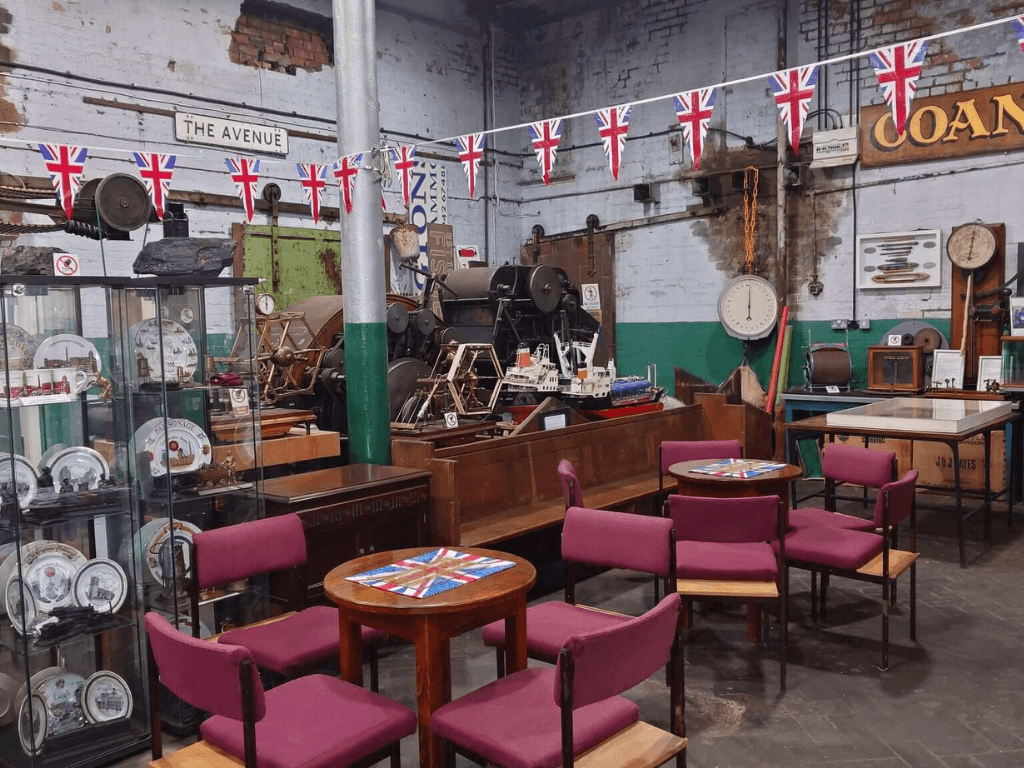
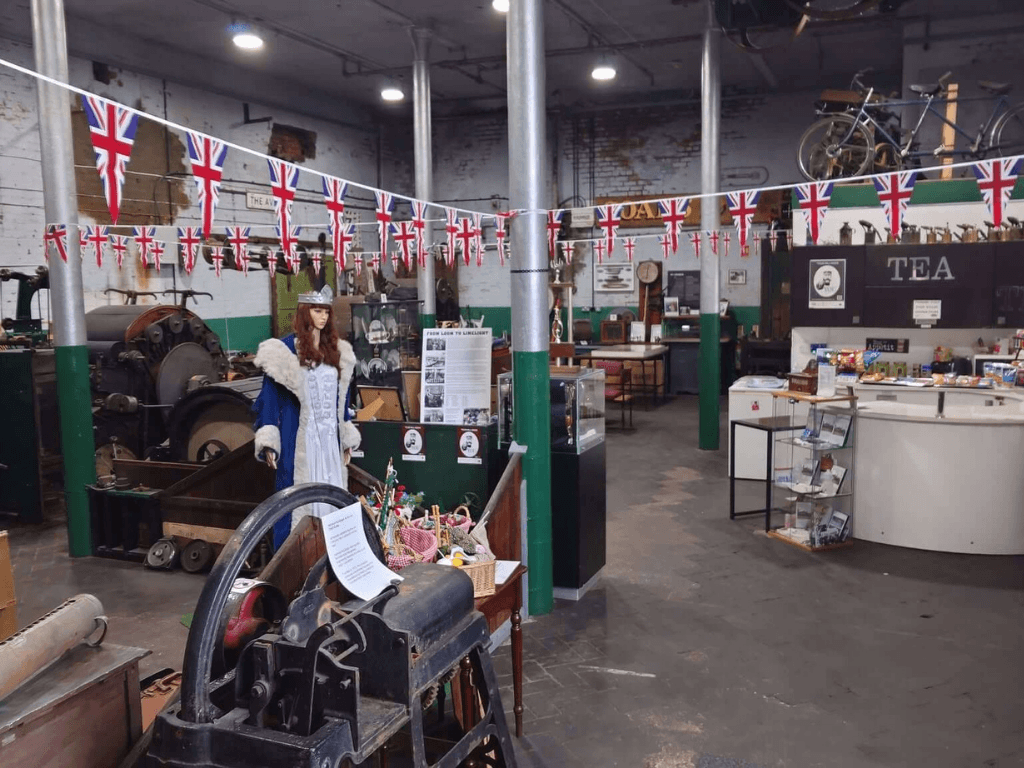
Heritage Centre exhibits featuring industrial artefacts, model displays and historic memorabilia at Leigh Spinners Mill.
Volunteer carrying out maintenance work on one of the historic steam engines at Leigh Spinners Mill Heritage Centre.

Discover the Heritage Centre

Located within Leigh Spinners Mill, the Heritage Centre helps bring the building’s story to life through photographs, artefacts and displays celebrating the people, businesses and industries that shaped Leigh.

Visitors can learn more about the mill’s history, explore the story of Mayor and Mayoress and discover how volunteers continue to preserve this important part of the town’s heritage.

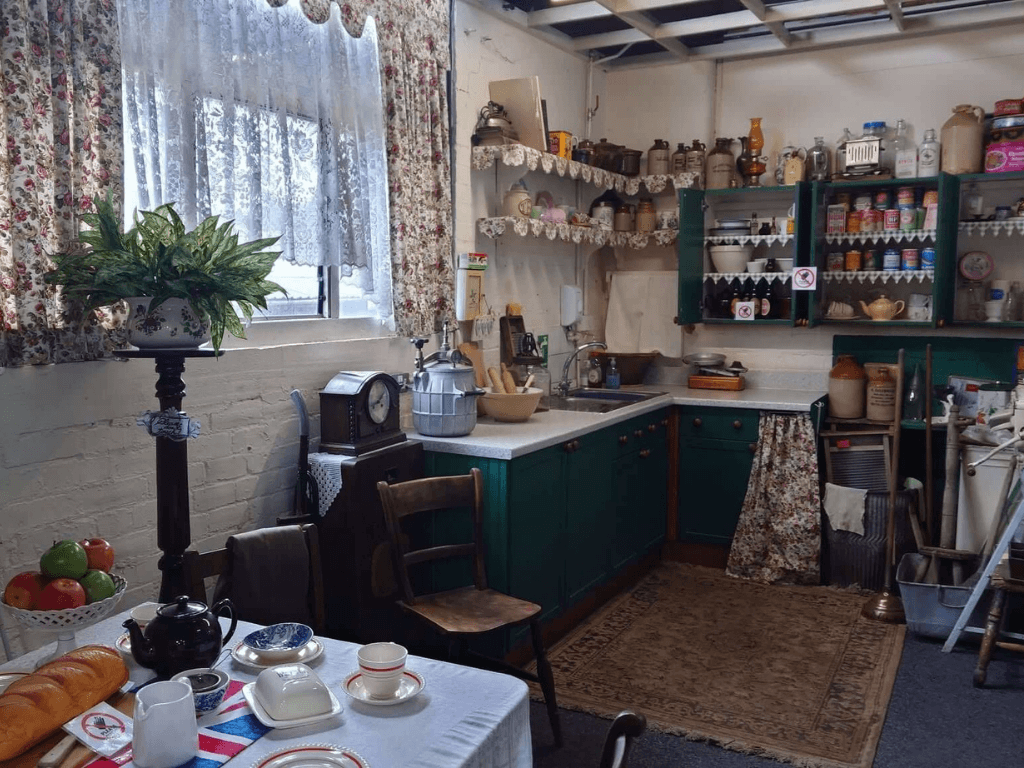
Recreated early twentieth century kitchen display showing domestic life during Leigh's textile industry era.
Displays, artefacts and historic machinery inside the Heritage Centre at Leigh Spinners Mill.

Research & Further Reading

This page has been researched using a range of heritage, archive and conservation sources. Visitors interested in learning more can view the full list of references and further reading.